Mobile Application Security Testing
Mobile Application Security Testing
Protect iOS and Android applications with expert mobile application security testing and penetration testing. We identify vulnerabilities in mobile apps, APIs, authentication, data storage and device communication using OWASP MASVS-aligned testing.
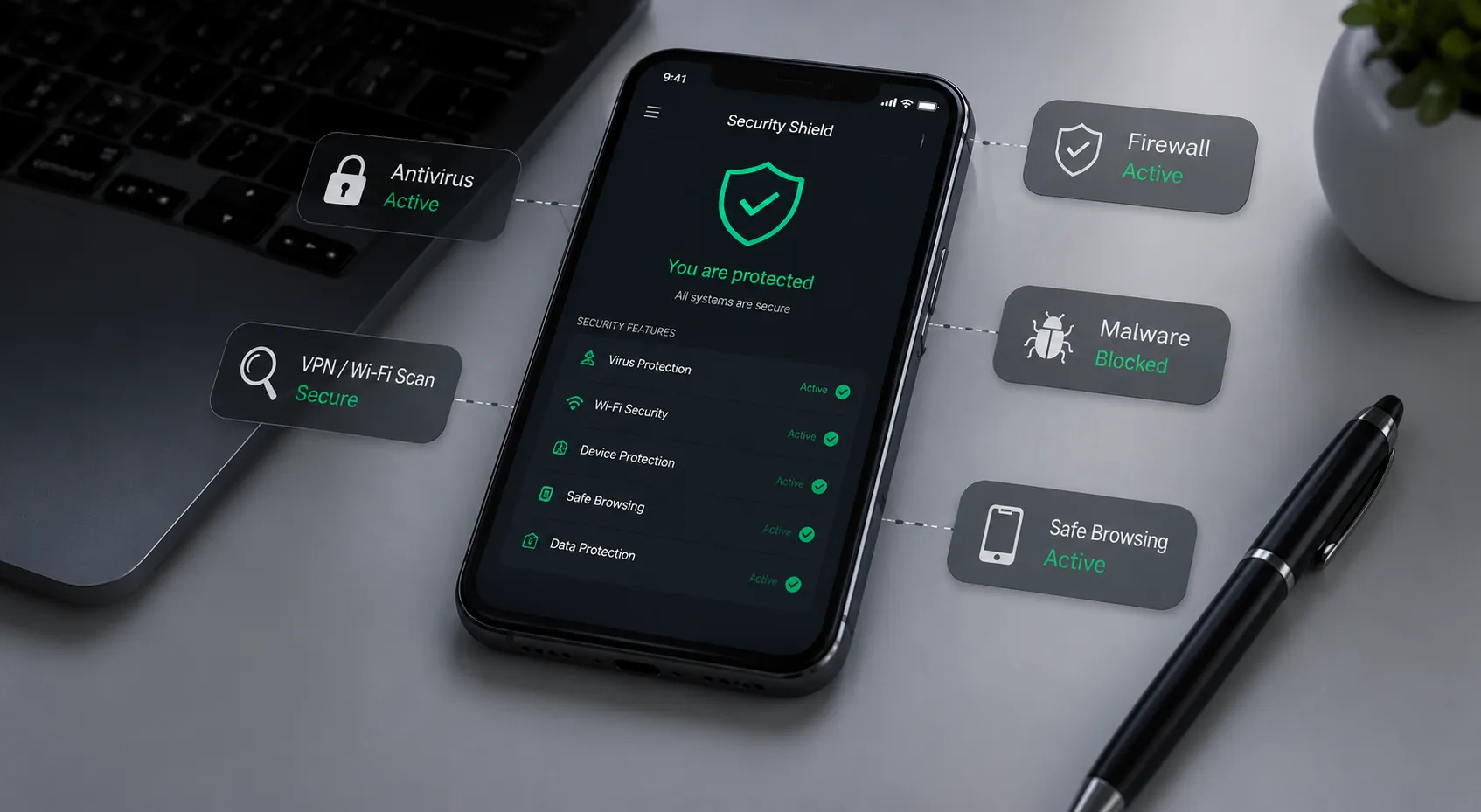
Overview
Mobile application security testing is the process of assessing iOS and Android applications to find and fix vulnerabilities before attackers can exploit them. Using mobile application penetration testing, it examines the app, its APIs, authentication, data storage and device communication for weaknesses such as insecure storage, weak cryptography, broken API authentication and code tampering, measured against the OWASP MASVS standard. It combines reverse engineering and static analysis of the binary with dynamic testing on instrumented devices, hardening the sensitive user and business data that mobile apps handle against real-world threats.
Methodology & Standards
OWASP MASVS (L1, L2, MASVS-R), OWASP MASTG and the MAS Checklist, with backend testing against the OWASP API Top 10. Tooling includes MobSF, Frida, Objection, Burp Suite, Drozer, JADX and Ghidra.
What's Included
What You Receive
Frequently Asked Questions
Yes. We test each platform separately because the code, storage and platform APIs differ, and we assess the backend APIs the app talks to, then report per-platform and shared findings.
Yes. We perform black-box and grey-box testing by reverse-engineering the compiled app. Source and a test build improve depth and speed, but are not required.
L1 is the baseline for all apps. L2 adds defence-in-depth for apps handling sensitive data, and MASVS-R adds resilience against reverse engineering and tampering. We scope the right level to your risk.
Mobile applications often process sensitive user and business data. Security testing helps identify weaknesses such as insecure storage, API vulnerabilities, and code tampering before they can be exploited.
Yes. We assess Android and iOS applications for insecure storage, weak authentication, API vulnerabilities, reverse-engineering risks, code tampering and sensitive data exposure.